Working with Indigo: Vat Preparation and Fabric Application
Indigo is one of the oldest blue dyes in textile history. This guide covers reduction vats, pH balance, and achieving consistent colour on natural fibres.
Read article →A practical reference covering plant-based colour sources, dyebath preparation, mordanting methods, and where to find quality natural fibres from Canadian suppliers and artisans.
Indigo is one of the oldest blue dyes in textile history. This guide covers reduction vats, pH balance, and achieving consistent colour on natural fibres.
Read article →
Mordants fix colour to fibre and determine the final hue. A comparison of the most common mordant types and how each interacts with plant dyes.
Read article →
An overview of craft fibre suppliers, small-batch wool producers, and linen sources operating across British Columbia, Ontario and Quebec.
Read article →Every dye plant extracts differently. Weld yields flavonoids, madder gives alizarin, and woad produces indigotin. Understanding these compounds clarifies why mordant choice, water mineral content, and dyebath temperature each produce a different result on the same fibre.
Mordanting reference
Roots yield alizarin and purpurin. Alum-mordanted wool produces terracotta to brick-red. Established in Ontario garden conditions with some effort.
One of the most lightfast yellow dye plants. The aerial parts of the plant are used. Strong affinity with alum-mordanted wool; produces clear, clean yellows.
The source of the world's most commercially traded natural blue pigment. Grown in warm climates; the dye pigment indigotin is extracted through a reduction process.
A European native that also contains indigotin at lower concentrations than Indigofera. Hardy in temperate climates; grown in parts of British Columbia.
The small yellow flowers of madder precede seed formation. Harvesting roots for dye typically occurs after two or three seasons of growth for maximum alizarin content.
Weld is a biennial that flowers in its second year. The entire above-ground plant is harvested at peak bloom for highest flavonoid concentration.
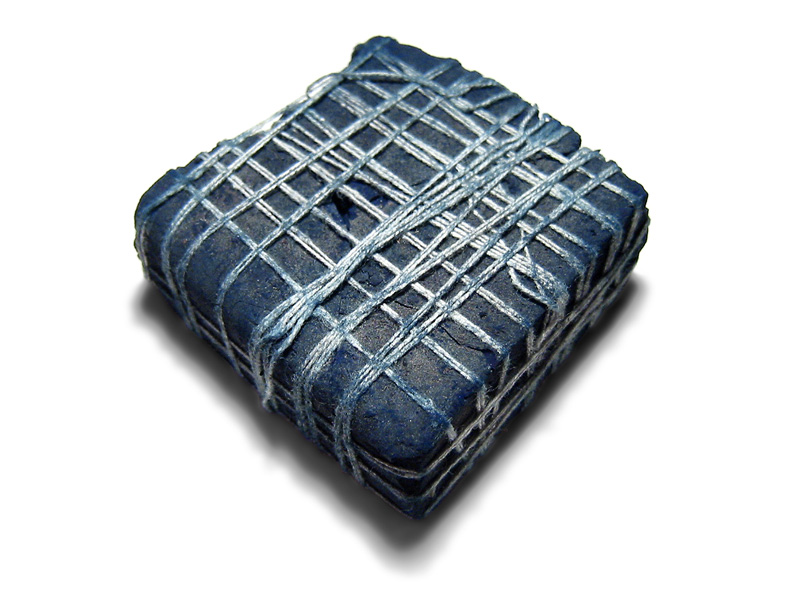
The same madder root on the same wool produces brick-red with alum, grey-purple with iron, and brown with copper mordants. Mordant selection is not a minor variable — it determines the final colour as much as the dye plant itself. This relationship between metal salts and dye molecules is central to understanding plant dyeing.
Full mordanting referenceProtein fibres — wool and silk — take most natural dyes more readily than cellulose fibres. Cotton and linen require tannin pre-mordanting or a higher mordant concentration to achieve comparable depth. This is due to the affinity between metal ions and the amino acid groups in protein fibres.
Questions about the content, corrections, or notes from practitioners in the field can be sent using the form below. All correspondence is reviewed.