Last updated: May 4, 2026
Indigo is insoluble in water in its oxidised state. The pigment indigotin, which gives the dye its characteristic deep blue, must be chemically reduced to a soluble form — leucoindigo — before it can penetrate fibre. Once the fibre is removed from the vat and exposed to air, the dye re-oxidises and fixes in place. This reduction-oxidation cycle is the defining chemistry of all indigo dyeing, regardless of the vat type used.
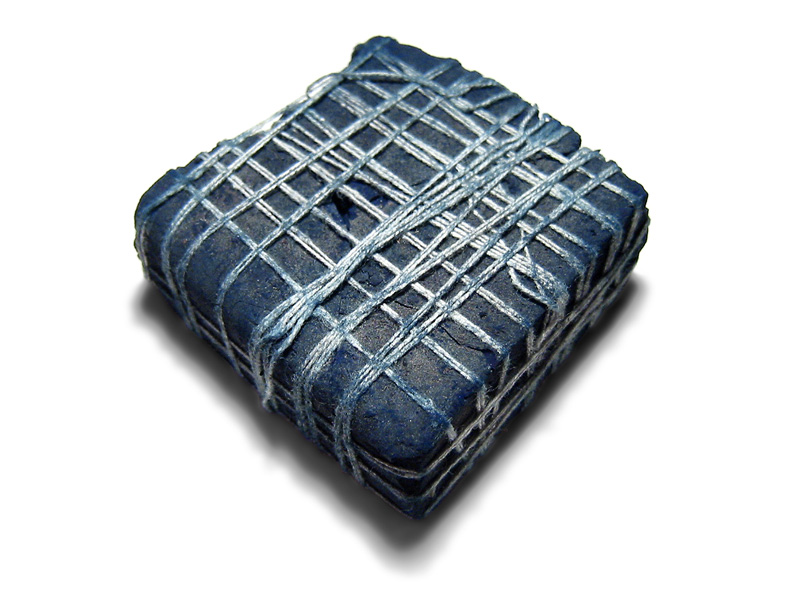
Vat Types
Chemical Reduction Vat (1-2-3 Vat)
The most reliable vat for consistent results at small scale. The name refers to the approximate weight ratios: 1 part indigo : 2 parts reducing agent (sodium hydrosulphite) : 3 parts alkali (soda ash or sodium hydroxide). The reducing agent removes oxygen from the vat; the alkali raises pH to approximately 10–11, which is the working range for leucoindigo formation.
To prepare a 5-litre vat sufficient for approximately 200 g of dry wool:
- Dissolve 10 g of indigo powder in a small amount of warm water with a few drops of alcohol or spirit to break surface tension.
- Heat the vat water to 50–55°C. Maintain this temperature throughout.
- Add the dissolved indigo, then 20 g soda ash, then 20 g sodium hydrosulphite in sequence. Stir gently to avoid introducing oxygen.
- Cover the vat and leave for 15–20 minutes. The surface will show a dark blue-green colour with a yellow-green interior — this is correct. The vat is ready to use when the liquid beneath the surface appears yellow-green.
Water mineral content significantly affects vat behaviour. Hard water with high calcium and magnesium can interfere with the reducing agent. Using filtered or softened water produces a more stable vat and allows lower hydrosulphite concentrations.
Fermentation Vat
Fermentation vats use bacterial activity to consume dissolved oxygen and reduce the indigo over several days. The traditional European fermenting agent was madder root combined with wheat bran and potash; a simpler modern version uses ripe banana skins as a carbon and microorganism source with wood ash lye as the alkali.
A fermentation vat in active use has a characteristic smell — somewhere between yeast and composting plant material. The vat takes 3–7 days to become active and requires daily gentle stirring at consistent temperature (around 35–40°C). The advantage is longevity: a well-maintained fermentation vat can remain in use for months. The disadvantage is less predictability compared to the chemical vat, particularly in cold Canadian workshops during winter months.

Fibre Preparation
Indigo does not require a mordant to bond to protein or cellulose fibres — it adheres physically to the fibre surface through repeated dye layers. However, the condition of the fibre affects dye uptake. Wool should be thoroughly scoured to remove lanolin. Cotton and linen benefit from a tannin pre-soak, which provides a slightly sticky surface that improves indigo adhesion and colour depth.
Wet the fibre thoroughly in warm water before entering the vat. Dry fibre introduced into a vat displaces reducing liquid unevenly and produces blotchy results.
Dyeing Process
The basic dip-and-oxidise sequence is the same across all indigo vat types:
- Lower pre-wetted fibre into the vat slowly, keeping it below the surface. Avoid agitating the vat more than necessary.
- Hold fibre submerged for 2–5 minutes, moving it gently through the liquid.
- Remove the fibre and allow it to oxidise in air for at least 5 minutes. The colour will shift visibly from yellow-green to blue as oxygen contacts the fibre.
- Rinse lightly if desired, then repeat the dip-and-oxidise cycle.
Colour depth increases with each repeated dip. A pale sky blue requires approximately 3–4 dips; a deep navy blue may require 10 or more. Allowing full oxidation between each dip is essential — rushing this step traps unoxidised leucoindigo in the fibre, which will later wash out.
pH Management
Vat pH should remain between 10 and 11. A pH above 11 can damage wool fibres; below 9 the vat becomes sluggish and colour transfer is poor. A simple pH test strip is sufficient for monitoring — precision pH meters are not required at small scale. If the vat becomes too acidic, add small amounts of soda ash to restore the working pH.
After Dyeing
Once dyeing is complete, rinse the fibre first in water at vat temperature, then gradually cool to room temperature. An acidic rinse — a small amount of white vinegar in the final rinse water — neutralises residual alkali on the fibre. This is particularly important for wool, which can felt or become brittle if left in an alkaline state.
Dry indigo-dyed yarn and fabric away from direct sunlight during the first 48 hours. While indigo has moderate light fastness, prolonged early exposure before the dye has fully settled can lead to uneven fade.
Disposing of Used Vat Liquid
Sodium hydrosulphite breaks down fairly rapidly in aerated water. Allow the spent vat to oxidise completely — expose it to air for several hours — before disposal. Do not pour chemical vat liquid containing active hydrosulphite into drains or onto soil. Contact your local municipal waste authority in British Columbia, Ontario, or your province for current guidance on chemical disposal for small textile operations.
Sources and Further Reading
For detailed chemistry and historical practice, the following are relevant:
- Society of Dyers and Colourists — technical publications on natural and synthetic dyeing
- National Center for Healthy Housing — chemical safety guidance applicable to home-based textile work
- Dean, Jenny. Wild Color (2010) — practical coverage of natural dyes including indigo vat preparation